

-
Wentworth’s Master of Science in Bioengineering program balances theory, simulation, and laboratory exercises, giving students the advanced skills and knowledge needed to model, analyze, design, and realize physical systems, components, and processes. Students are expected to enter the program having obtained a Bachelor's in any engineering field, Biotechnology, or other related fields.
Program at a Glance
- 1-Year Cohort Model: Progress through a defined sequence of courses alongside peers to build strong professional networks.
- Focused Curriculum: Master core bioengineering fundamentals across three academic semesters with no elective delays.
- Faculty-Mentored Research: Gain hands-on laboratory experience from day one alongside active faculty researchers.
- Paid Internship Pathway: Gain practical industry experience through Wentworth’s renowned cooperative education framework.
A Defined, Fast-Track Curriculum
The M.S. in Bioengineering features eight focused courses, six lecture-based courses paired with two project-driven research modules, and a summer industry co-op. View more on the Coursework tab.
Build an Industry-Ready Technical Toolkit
Students develop broad expertise across high-demand bioengineering disciplines:
- Medical Device Design & Biomechanics: Design, model, and evaluate medical technologies, surgical implants, and physiological systems.
- Cell & Tissue Engineering: Explore organelle networks, tissue fabrication, and cellular biomaterials processes.
- Computational Bioengineering: Apply finite element modeling, simulation, and bio-signal processing to clinical scenarios.
- Sensory Coding & Bioinstrumentation: Develop novel diagnostic tools, paper biosensors, and AI-enabled rehabilitation devices.
- Clinical & Regulatory Translation: Learn the pathways required to bring laboratory innovations safely to the healthcare market.
Industry & Co-op
Built around Wentworth’s signature co-op model, the M.S. in Bioengineering bridge academic research and professional practice. Throughout the program, students engage with industry leaders during monthly seminars and present their work alongside corporate partners at our annual trainee symposium. This active industry exposure pathways directly into a paid, hands-on graduate internship experience in the heart of Boston's life sciences hub.
The Wentworth Advantage
At Wentworth, graduate education is applied, collaborative, and career-focused. M.S. in Bioengineering students progress through an immersive one-year cohort model, building lasting professional networks and shared technical expertise. You will complete foundational and computational coursework across your first two semesters, paired with hands-on bioengineering laboratory research from day one. Beyond the lab, the program integrates comprehensive professional development in technical communication, engineering ethics, team science, and project management. The experience culminates in a paid, industry-facing co-op, ensuring you transition into the life sciences workforce with real-world experience.
*Funded by NSF-NRT-IPP 2440301
-
High-Growth Career Outcomes
Massachusetts leads the nation in life sciences concentration, offering unprecedented opportunity for specialized bioengineers.
Built to serve a regional sector where biotechnology R&D employment grew by 65%, our M.S. in Bioengineering bridges academic rigor and industry demand. Students gain specialized training tailored to Boston's life sciences ecosystem, preparing them for versatile roles in medical device development, biotechnology research, and regulatory management.
From industry R&D positions to advanced doctoral programs, our graduates possess the translational skills needed to advance healthcare technology.
-
The MS in Bioengineering curriculum consists of eight total courses: six lecture-based courses and two project-based research experiences. The cohort will also have access to additional programming outside of class and professional development opportunities.
Fall Semester
- Medical Device Design
- Clinical and Regulatory Translation
- Cell and Tissue Engineering
- Physiological Bioengineering Research
Spring Semester
- Simulation and Modeling in Bioengineering
- Sensory Coding
- Biomanufacturing Processes and Systems
- Computational Bioengineering Research
Summer Semester
- Paid graduate co-op (internship)
- Reviewed for academic rigor
- Supervised by a subject matter expert
- Structured to align with student academic and career timelines
Additional Opportunities
In addition to coursework, the cohort will participate in:
- Topical seminar speakers (WIT and BU faculty and industry leaders)
- An annual trainee symposium
- Industry speaker sessions
- Trainee poster presentations
Professional development workshops (delivered in collaboration with BU) will include:
- Using an Individual Development Plan (IDP)
- Communication and presentation skills
- Building professional networks
- Informational interviews for career exploration
- Team science
- Ethics
- Project management
- Translating biomedical innovation from laboratory to marketplace
-
Fellowship (Tuition + Stipend)
Five incoming students will receive a fellowship from the NSF* that includes full tuition funding plus a $37,000 stipend for the year. To be eligible for this opportunity, students must be a US citizen or permanent resident and indicate on the application that they intend to be a full-time student with a fall semester start. All students who fit these criteria and have applied by the Priority Deadline, January 15, will automatically be reviewed for the fellowship.
The fellowship selection process will include an interview with the Douglas D. Schumann School of Engineering's dean and faculty. Students who are selected for an interview will be contacted by the Office of Graduate Admissions at the end of January. The interviews will take place starting at the end of January and continue through the beginning of February, with a final selection made by mid-February.
Testimonials
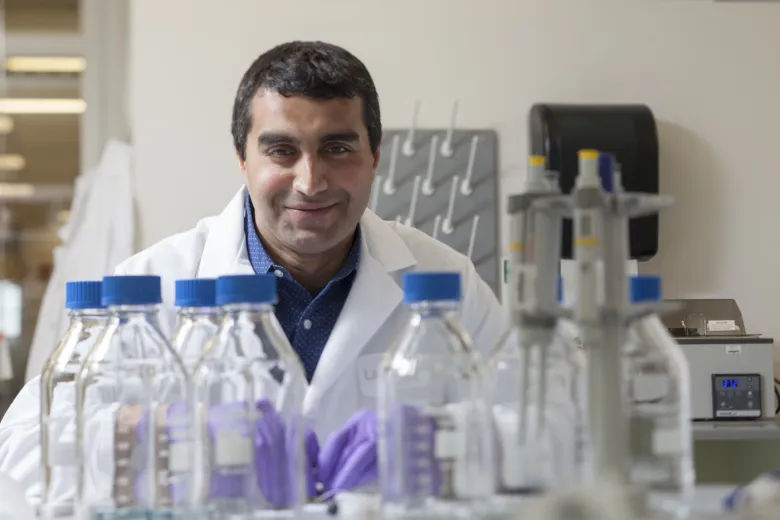
Salil Desai
We are teaching real-world skills in bioengineering such as tissue engineering, cell line generation, organoid development, and 3D-bioprinting, all in the biotech hub of the world, Boston! The proximity to numerous biopharma companies and cutting edge biotech startups gives our students an edge in learning the hands-on skills to excel at the intersection of engineering and human health. This unique 1-year program packs a powerful curriculum with rigorous laboratory work to prepare students for starting positions in the top companies in the world. Graduates of our biological engineering program currently work at companies like Draper, Bristol Myers Squibb, Merida Biosciences, Eurofins, and ThermoFisher Scientific.
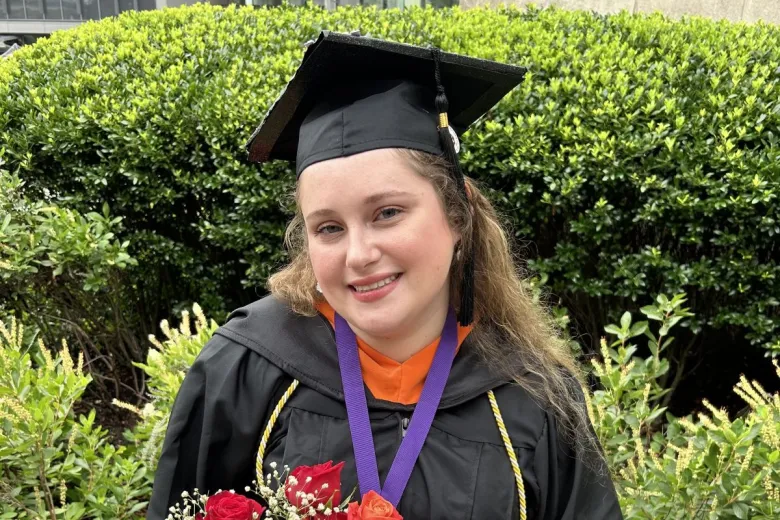
Kailey Slahor
I came to Wentworth as an undergraduate student from 2020-2024. I fell in love with the Bioengineering program curriculum as well as my professors. As soon as I got a notification that Wentworth was offering as masters program in Bioengineering, I applied right away.
I want to be a formulation scientist. My goal has always been to help create something that will help as many people as possible, and after watching my mother struggle to find a biologic medication, my mind was set. I hope to work in the pharmaceutical industry researching new pathways to create personalized medicine.