Sustainability & Health Majors
Build a Safer, Healthier, More Livable Future
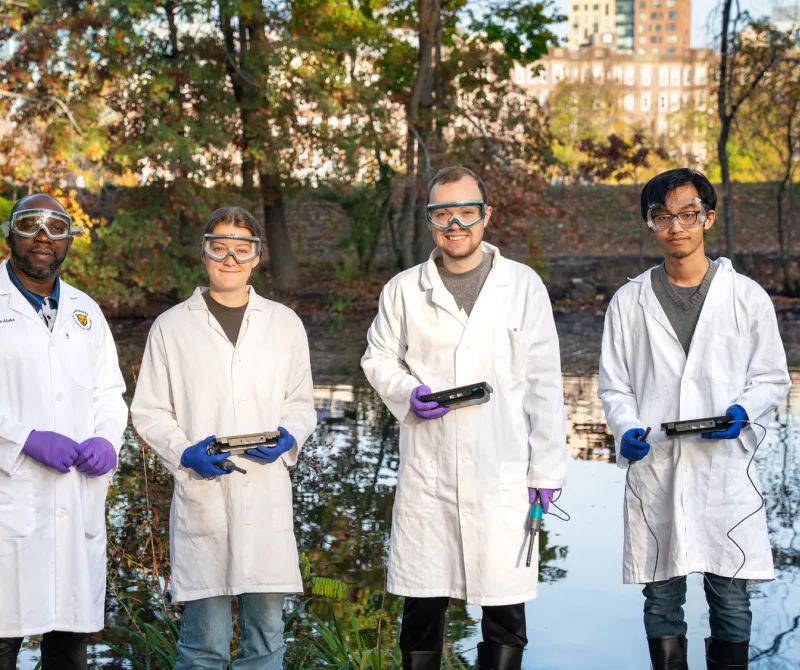
Climate. Health. Energy. Cities that work for everyone. These aren’t far-off problems, they’re the work of your generation, and they need engineers, scientists, designers, and builders who care. At Wentworth, you can come at them from every angle: the lab bench, the hospital, the building site, or the city itself.
Programs like Climate Resilience can use the city as an “urban lab.” And programs in Biological and Biomedical Engineering put you inside one of the world’s biggest medical research communities. Wentworth also sits a short walk from the Longwood Medical Area, the world's largest concentration of hospitals and research institutions.
Sustainability & Health Sciences Majors
- Applied Sciences
- Biological Engineering
- Biomedical Engineering
- Civil Engineering
- Climate Resilience
- Construction Management
Design Medical Devices, Prosthetics, or the Research Tools Behind Tomorrow's Therapies
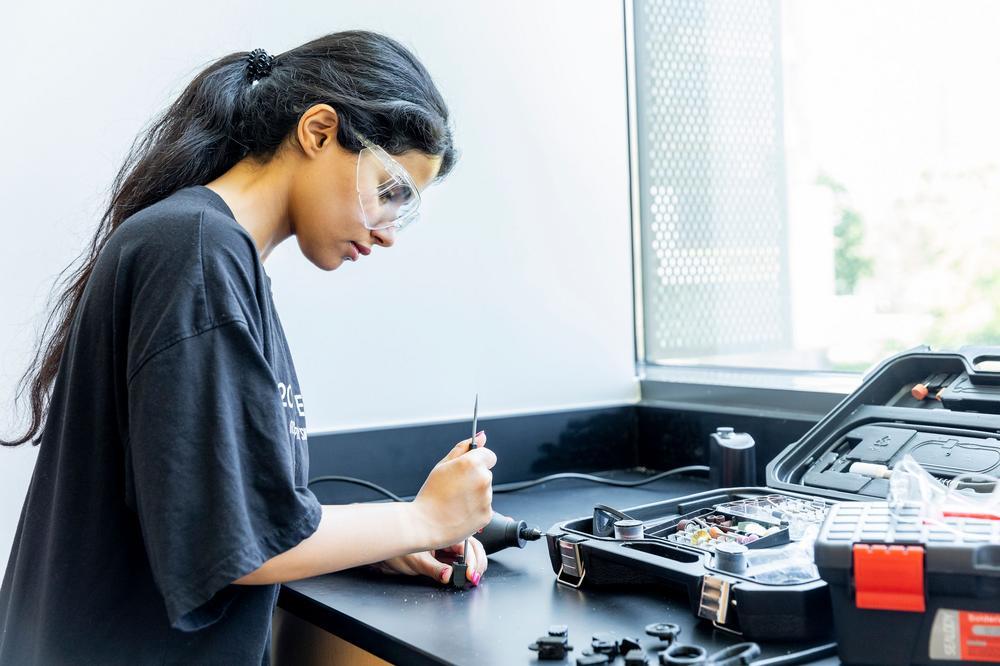
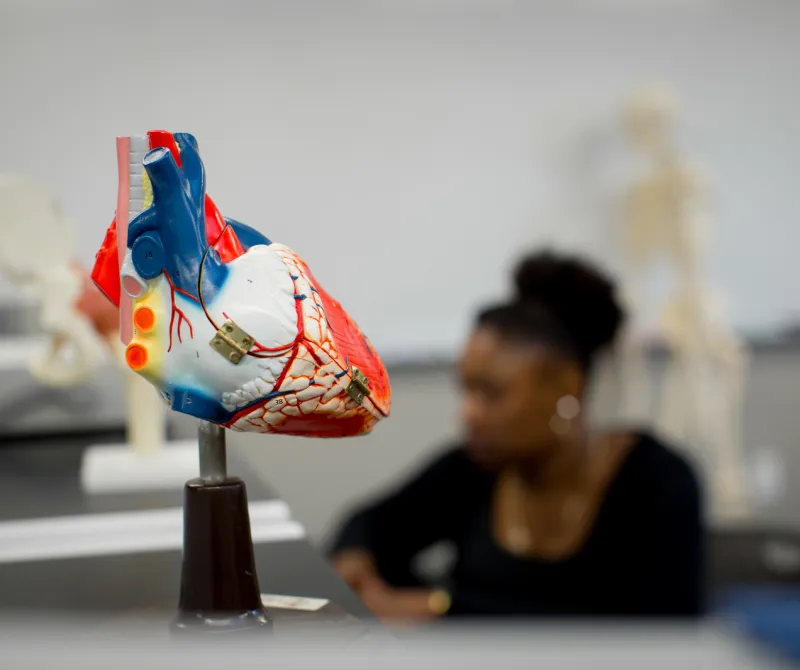
Designing the next generation of healthcare technology requires a deep dive into the intersection of biology and engineering. Through the Biomedical Engineering major, you will learn to bridge the gap between mechanical systems and human health, developing life-changing innovations like advanced prosthetics, diagnostic imaging tools, and surgical robots. You will work in specialized labs to understand how the human body moves and reacts, ensuring that the devices you build are not only effective but also comfortable and intuitive for the patients who rely on them.
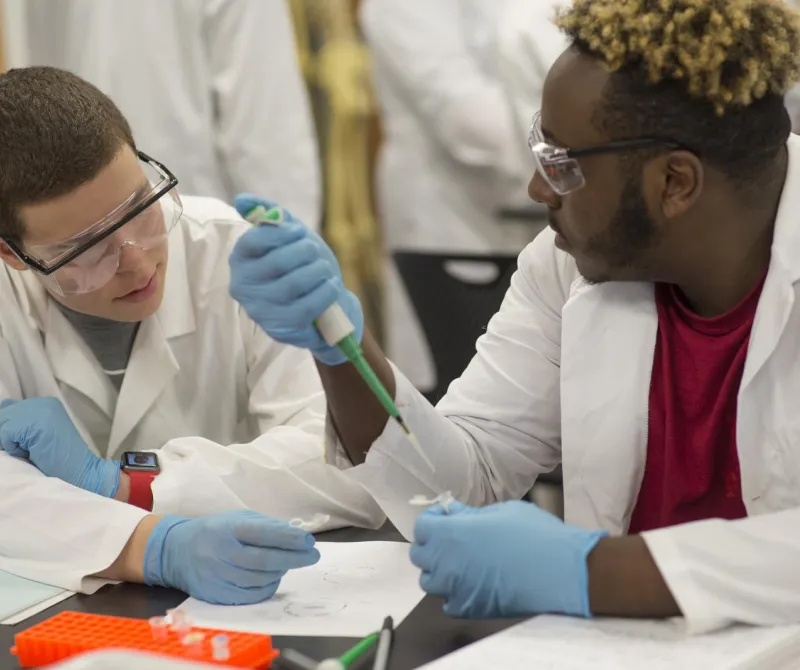
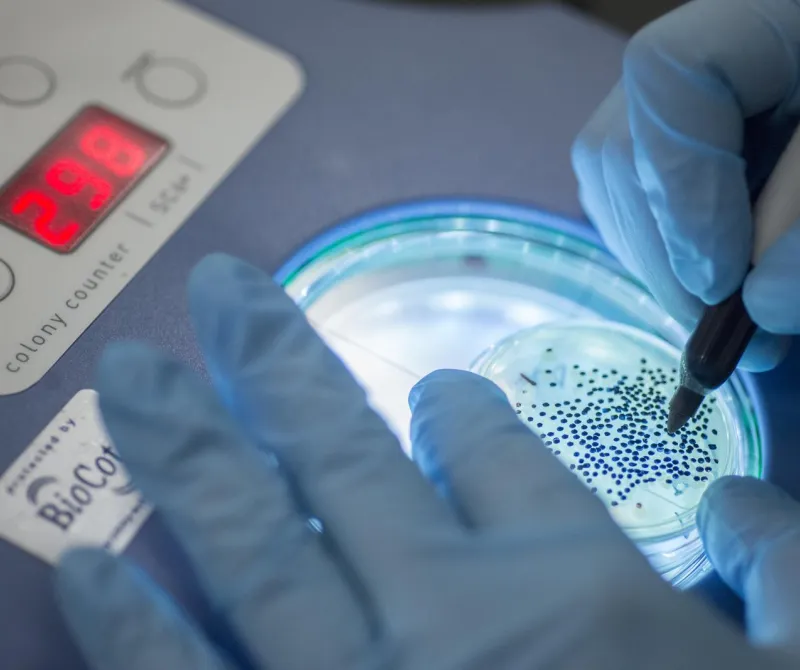
At the microscopic level, the Biological Engineering and Applied Sciences programs prepare you to tackle global health challenges by focusing on the molecular and cellular foundations of medicine. You will gain the skills needed to contribute to the research and manufacturing behind tomorrow's vaccines and therapies, working within one of the world's largest medical research hubs right here in Boston. This path allows you to move from the lab bench directly into industry, designing the tools and processes that keep communities healthy and resilient.
Help Communities Adapt to Climate Change Through Smarter Design
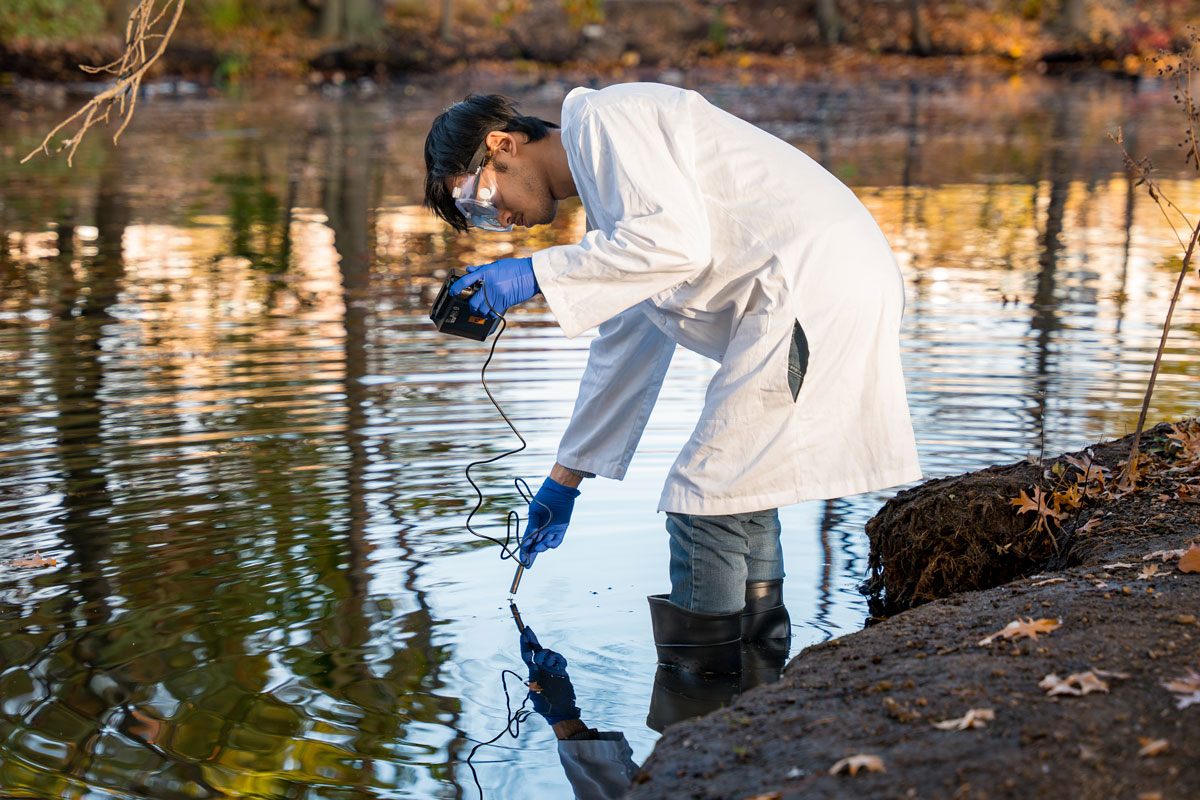
Adapting to a changing climate is one of the most urgent challenges of our time, requiring designers and builders who can rethink our physical world. In the Climate Resilience program, you will study how city-scale infrastructure can withstand rising sea levels and extreme weather. You will learn to design energy-smart buildings and implement clean power systems that reduce a community's carbon footprint while increasing its safety and longevity.
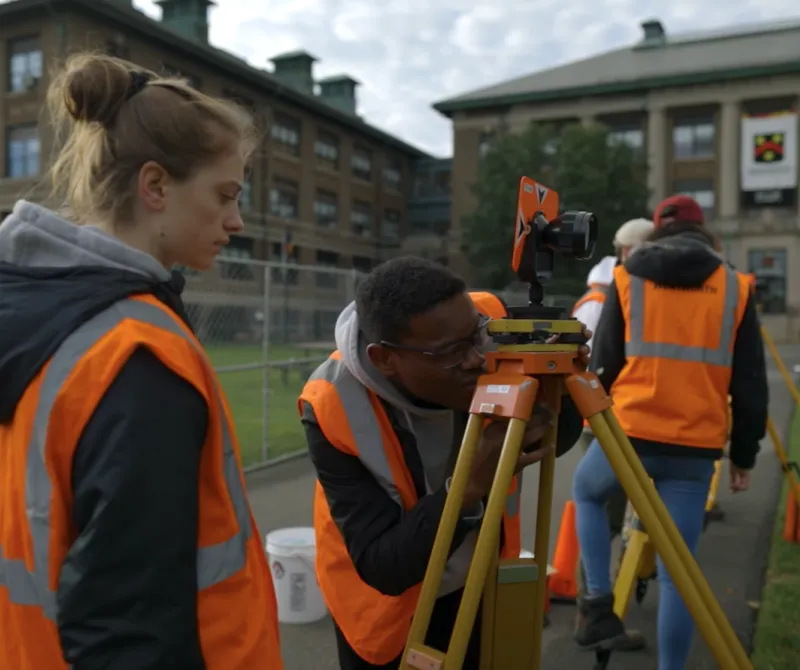
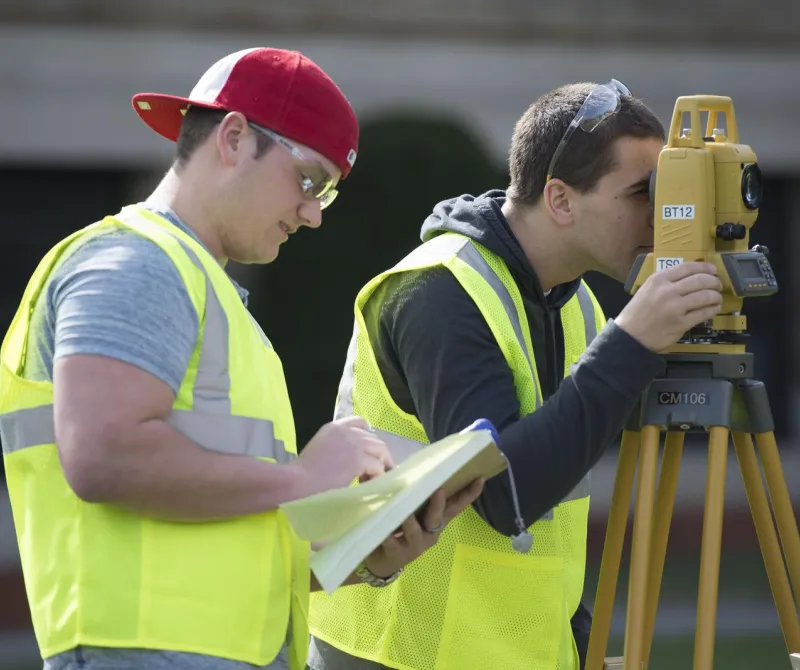
This work also relies on the practical expertise found in Civil Engineering and Construction Management to bring these resilient designs to life. You will learn how to select sustainable materials and manage complex building sites that prioritize waste reduction and environmental protection. By collaborating across these fields, you ensure that the roads, bridges, and housing we build today are ready for the environmental realities of tomorrow, creating cities that are truly livable for everyone.
Make Your Mark in One of the World's Largest Medical Research Hubs
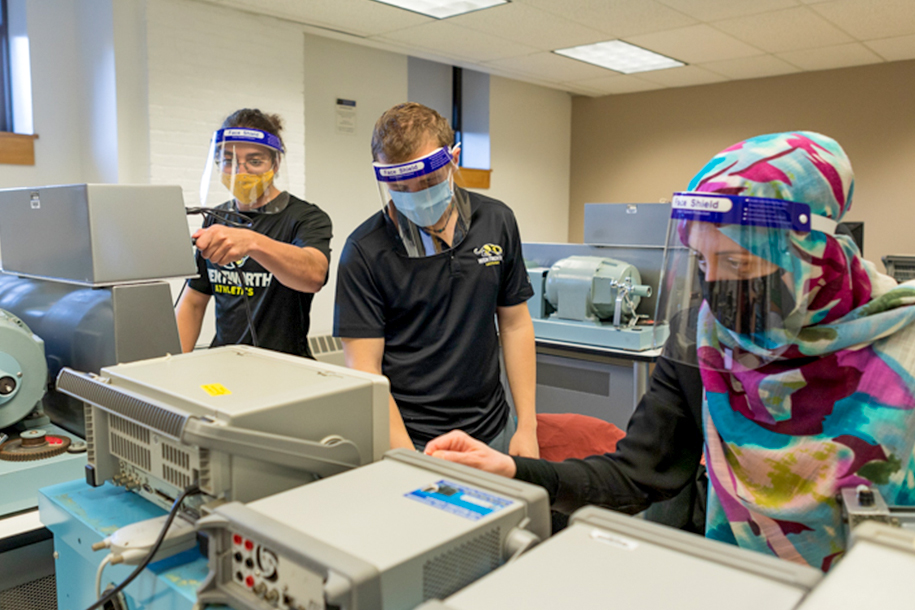
Location is a major part of the learning experience at Wentworth, especially for those pursuing careers in health and sustainability. Our campus is just a 10-minute walk from the Longwood Medical Area, home to over 22 world-class hospitals and research institutions. This proximity allows students across all majors in this path—including Applied Sciences and Biomedical Engineering—to pursue full-time, paid co-ops in biotech and healthcare without even leaving their neighborhood.
Beyond the medical field, Boston is a champion of massive green building and flood protection projects. Students in Civil Engineering, Climate Resilience, and Construction Management can visit active building sites and participate in the city's green energy initiatives as part of their coursework. This immersion in a city that is constantly evolving ensures that you aren't just reading about solutions in a textbook, that you are starting your professional career in the middle of an innovation hub on Day 1.